
About Erik
The grown-up in the room.
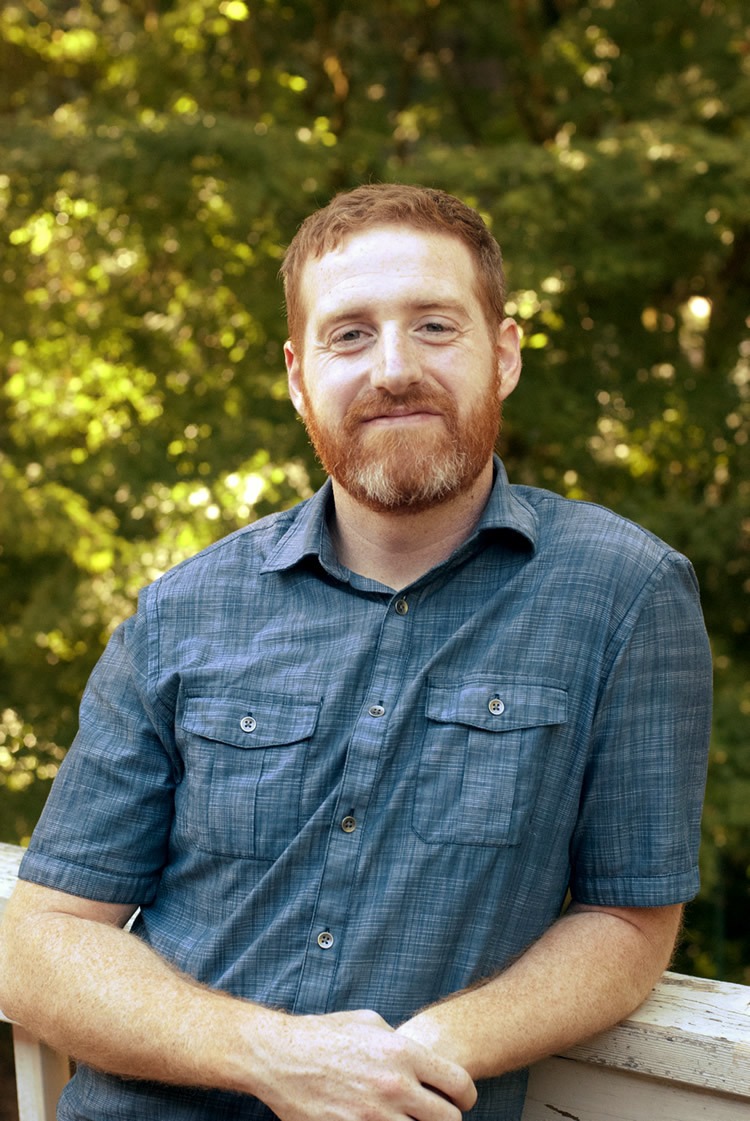
I'm Erik. I've worked with children and parents for over a decade — as a therapist, parent coach, and family therapist, and as someone who cares deeply about growth and development.
I'm not your child's best parent
I can be your child's best therapist. But you'll always know your child in a way only you can — and that knowing is irreplaceable. My role is to support that. You stay the parent. I stay the support.
I’m Erik Johnston, LCPC — the same person you may meet on the adult and couples sides of this practice. With kids, that decade has meant a lot of time on the floor, at the sand tray, and with parents who love their children and still feel stuck. I live and work in Kansas City. I’m not a parent myself, but I’ve sat close enough to parenting to know the difference between how it looks in a book and how it feels on a hard Tuesday evening.
When I am with a child, I work to bring their inner world into the room. A child carries their worries, stuck places, and private “how-to” manuals inside how they play and express themselves. In a safe therapeutic space, we can recreate the hurdles to their development and emotional well-being — so those struggles have somewhere useful to go.
Does playing out the issue make it bigger?
Kids are naturally able to heal and adapt. Given the right conditions — safety, time, connection, and adults who are not adding the pressure of “fixing them” — they start the work of growing healthy. That may sound like wishful thinking. It isn’t. It’s natural development inside a child’s tolerances. Children are not broken transmissions that get replaced in six sessions; that kind of quick change is usually symptom management. What they need is room to adjust in their inner world of emotion, thinking, processing, and feeling — without trading good behavior for the loss of their own inner life. That loss is a far greater source of anxiety, depression, and other struggles adults later face.
What I believe about children
Children's behavior is almost never the problem. It's a signal. Something underneath — a fear, a loss, a nervous system running too fast, a need that isn't getting met — is trying to get our attention.
So when a child is melting down, refusing school, waking at night, hitting, shutting down, or repeating a pattern no one can sort out — I don’t come in with a behavior plan. I want to know more deeply what concerns, feelings, and experiences they are living with. With real curiosity: What is their story? What matters most in it? What resources are they already using? Which supports feel too risky to reach for? Where are they stuck, where are they trying to get to, and what small steps — in their world — help them believe they are moving toward a healthier, more connected place in themselves and with others?
The saying goes: give a person a fish, or teach them to fish. With a child, it's something gentler — through play, we help them notice the resources that are already inside them. Imagination, connection, attention, the ability to feel and be felt. Once a child can sense those, they carry them everywhere.
For the sand tray itself and what sessions look like, see Sand Tray.
Before Kansas City, I spent roughly a decade in Port Townsend, Washington, split between Jumping Mouse Children's Center and private practice — child development, sand tray and play, and families. Jumping Mouse is a community nonprofit that offers play therapy to children who might not otherwise have access; that work shaped how I sit with kids and parents still.
With children I draw on more than ten years of clinical work in child development, sand tray and play therapy, psychodrama, attachment therapy, parent coaching, and somatic / body-based approaches — along with training in trauma-informed care and depth-oriented psychotherapy. The through-line is the same: a steady relationship, a child’s own pace, and methods that meet kids in the language they already speak.
Credentials & training
I hold a Master's in Counseling Psychology and I'm a Licensed Clinical Professional Counselor (LCPC) in Kansas, plus a Licensed Mental Health Counselor (LMHC) in Washington. My training centers on child development, attachment, somatic and play/sand tray therapy, with depth psychology supporting the whole.
If you want the longer version of my background — the adult work, the couples and family work, the theoretical grounding — that lives on my main About page.
Trauma is not what happens to us, but what we hold inside in the absence of an empathetic witness.
— Peter A. Levine