Therapy for adults
Erik Johnston Therapy for Children
A gentle place to begin

Therapy for children, at a child's pace.

Sand tray and play therapy for kids ages 3–13 in Overland Park and Kansas City. A warm room, a tray of sand, a shelf of small figures, and a grown-up who knows how to listen in the language children already speak.

If you're reading this at 11pm

You probably noticed something before your child could name it.

Maybe it's the stomach aches before school. The meltdowns that seem bigger than the moment. A quietness you can't quite read. Worry that won't let them sleep. Something since the move, the loss, the divorce, the hospital visit. Or nothing you can point to — just a sense that your kid is carrying more than they can say out loud yet.

Children don't always have words. They always have play.

That's where I come in. Not as a fix — but to sit beside your child and help support the imagination they need to find their own creative way through. To help them move and grow forward, in their own time, in the language they already speak.


What this looks like

Slow, steady, and child-led.

A tray of sand, a world of figures

Children build small worlds using figures from a shelf — people, animals, trees, houses, heroes, monsters. They play, and I play with them — finding the difficult and stuck places that cause distress and disruption. They lead the play, and in following them I help them discover what's next: in the play, and in their lives.

You're part of the work too

Parents aren't on the outside. We meet to talk about what I'm noticing, what's happening at home, parenting questions, and any other support your child needs while they grow through something hard. Connection and attachment between you and your child is the ground all of this rests on.

Children are already growing

If rules and behavior techniques alone could resolve what brings a family to therapy, I suspect you'd already be on the other side of it. My work is different — it's to help your child reach the resilience that's already inside them, in the company of a steady relationship, so their own growing system can do what it's built to do.

Children I often see

The ones not many people know how to reach yet.

  • Kids navigating big changes — a move, a new sibling, parents separating
  • Children with anxiety that shows up as stomach aches, refusal, or meltdowns
  • Kids processing loss — a grandparent, a pet, a friend who moved
  • Children who've been through something frightening or overwhelming
  • Children who've experienced violence or abuse of any kind
  • Quiet kids with big inner worlds who aren't sure how to let anyone in
  • Kids in foster or adoptive families working on attachment and trust
  • Children whose behavior is telling a story we haven't fully heard yet
  • Kids carrying small-T trauma — attachment ruptures, ongoing stress, things that quietly add up
  • Kids carrying big-T trauma — events that overwhelmed them and changed how they feel safe in the world

Not sure if your child's thing fits here? Send me a note. I'm happy to talk for a few minutes and help you figure out what kind of support would actually help.

Erik Johnston, therapist.
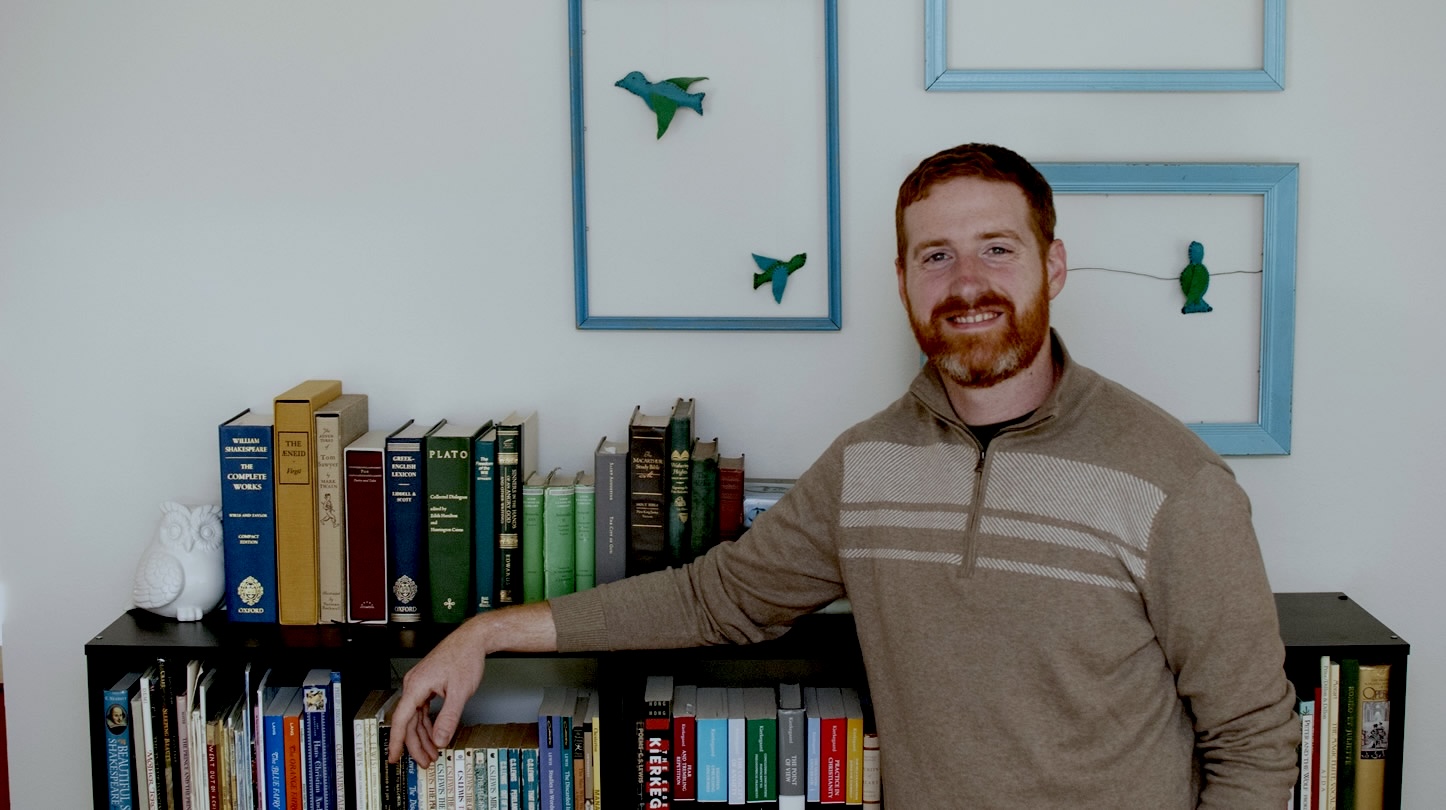
hi, I'm Erik
Who you're working with

Hi — I'm Erik.

I've worked with children and parents for over a decade, as both a therapist and a parent coach. I'm trained in sand tray, play, somatic, and attachment-based approaches, and I'm licensed as an LCPC in Kansas and an LMHC in Washington. My approach prioritizes connection, attachment, and the inner resources a child already carries — because children's behavior is almost always a clue, not the problem.

Not sure what your child needs? Let's figure it out together.

I'm glad to answer questions by phone or email before you commit to anything. If you want to understand the importance of child-led therapy in development and growth — or you're trying to figure out what kind of support might help — that's exactly the conversation I'm happy to have. It costs nothing to reach out.

← Back to my main practice site Adults, couples, families, and my full approach to depth therapy.